


Design Philosophy
Portelle Design Philosophy
Designed Around the Journey
We think travel products should bring more order to movement, not more complexity. Portelle focuses on useful proportions, thoughtful organization and details that make luggage and travel essentials easier to live with from packing to arrival.
Our principles
Purpose comes first. Every decision should make travel feel clearer, calmer and easier to navigate.
01 / PURPOSE
Function before decoration.
We begin with how an item will be packed, carried, opened, organized and used during a real journey.
02 / ORDER
Organization should feel intuitive.
Compartments and storage areas should help create order without making the product complicated to understand.
03 / PROPORTION
Space should be used with intention.
The relationship between exterior size and usable interior space matters throughout the packing experience.
04 / DETAIL
Small interactions shape the experience.
Handles, openings, pockets and access points all influence how comfortable and organized a travel product feels in use.

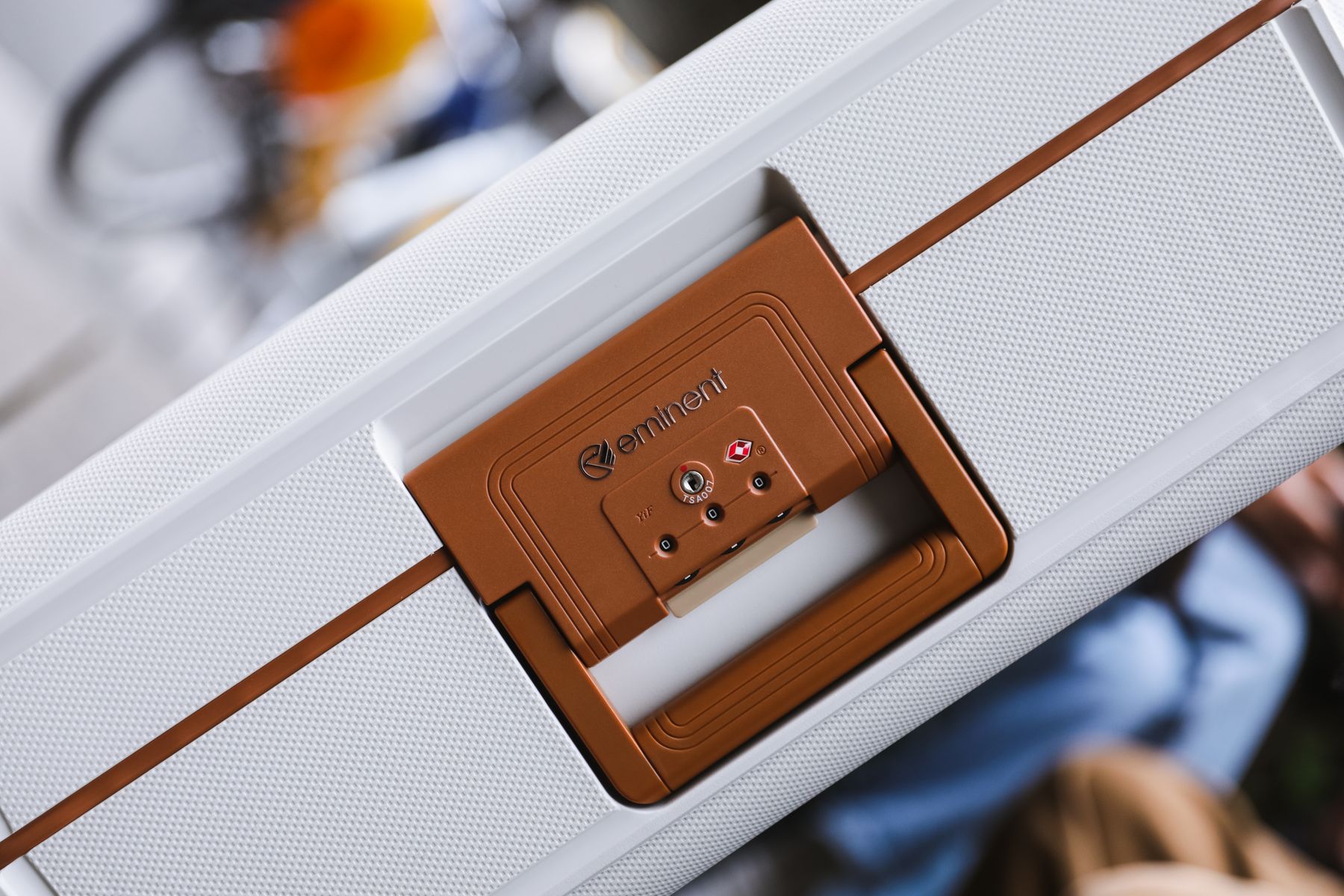
Designed from contact points
The experience lives in the details you touch.
Travel products are handled repeatedly throughout a journey. The places where you grip, open, close, roll, store and retrieve belongings deserve careful attention because these small moments shape how the entire product feels.
- 01 Handles should feel easy to locate and natural to use.
- 02 Openings should make packing and access straightforward.
- 03 Pockets should support real travel routines rather than add visual clutter.
- 04 Exterior details should remain visually calm and purposeful.
Order inside the case
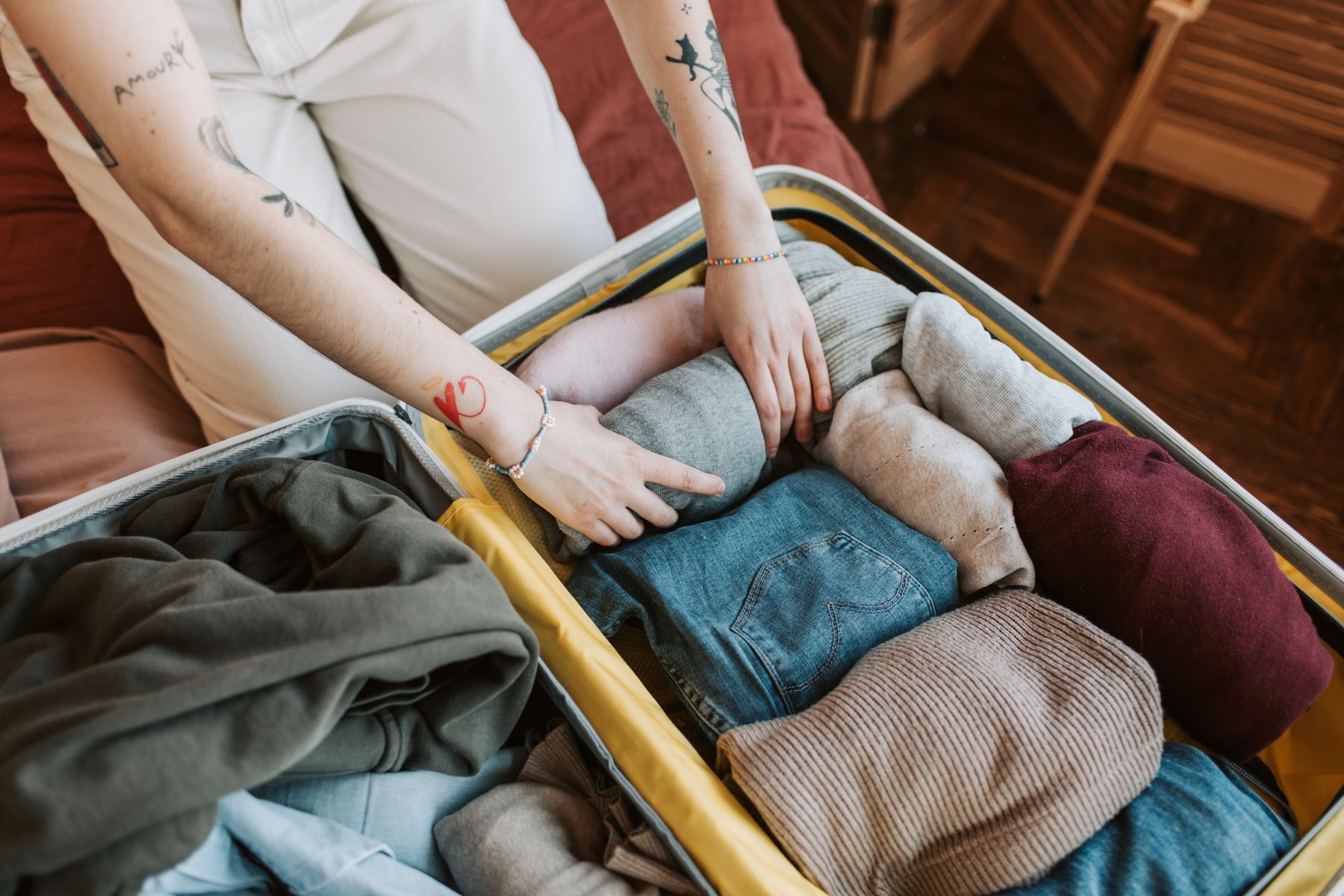
Interior design should make packing easier to understand.
When a suitcase or travel bag opens, the layout should help the traveler see where things belong. Clear zones and considered organization can reduce searching, shifting and unnecessary unpacking throughout the journey.
- 01 Large areas should accommodate the main packing categories.
- 02 Smaller storage should keep compact essentials easier to locate.
- 03 The interior should remain visually understandable when fully packed.
- 04 Organization should support unpacking and repacking as naturally as the first pack.
Movement matters
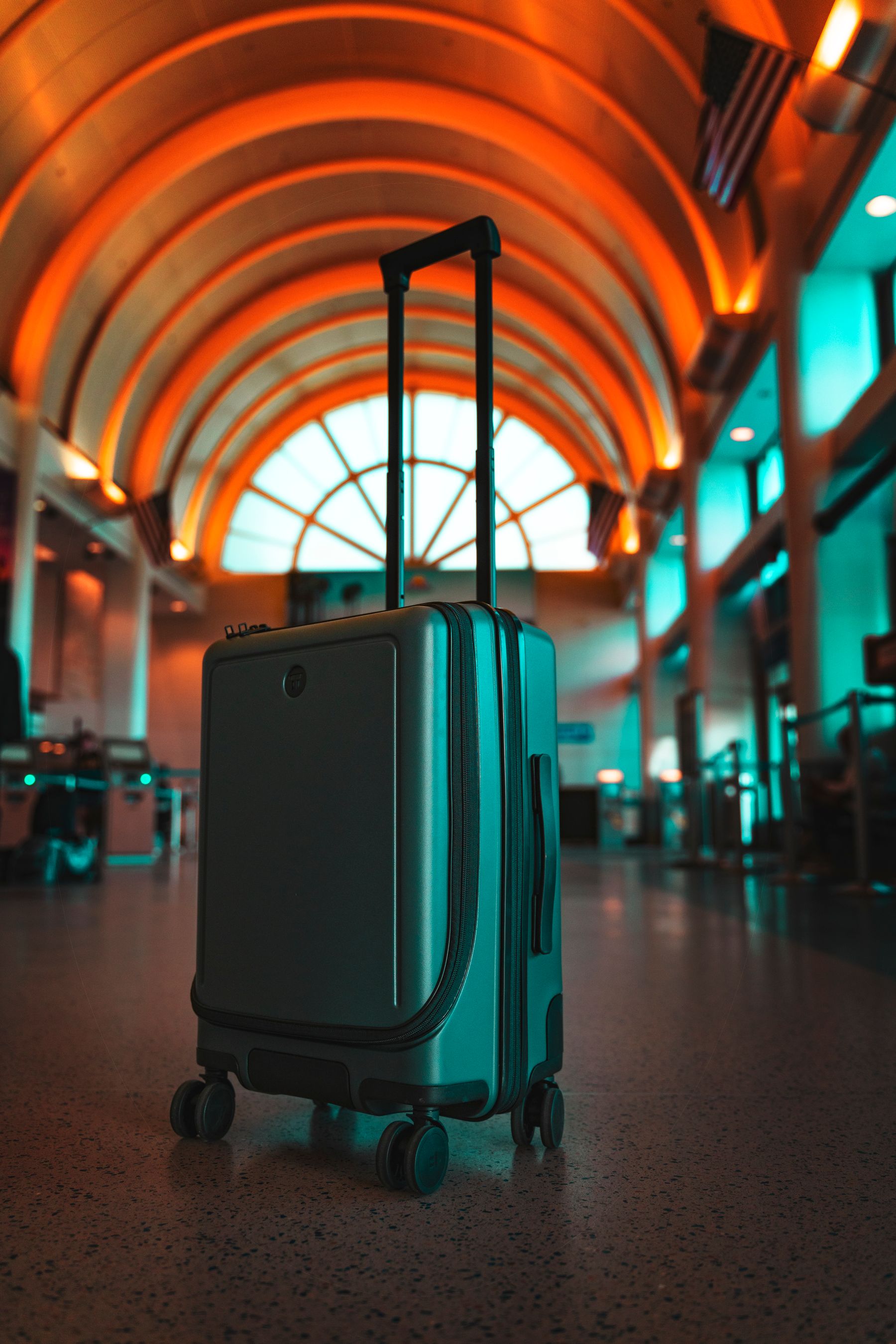
Design does not stop when the suitcase is packed.
A travel product moves through bedrooms, hotel rooms, terminals, stations and busy transitions between them. We consider the experience as a sequence rather than a single moment.
At Home
The product should make preparation and organization feel clear before departure.
In Transit
Frequently used travel essentials should remain practical to access while moving.
At Arrival
Organized interiors should make unpacking and finding belongings more straightforward.
Between Trips
Travel products should remain simple to reset, store and prepare for the next journey.
How we think
A useful travel product begins with real movement, not decoration.
01 / OBSERVE
Start with the travel routine.
Consider how people pack, move, wait, unpack and reorganize throughout an everyday journey.
02 / SIMPLIFY
Remove unnecessary complexity.
Features should have a clear role. If something does not improve the travel experience, it does not need to dominate the design.
03 / ORGANIZE
Give belongings a logical place.
Storage becomes more useful when the layout reflects how travelers actually group and access their essentials.
04 / REFINE
Keep the visual language calm.
Balanced proportions, restrained details and clear surfaces help the product feel considered rather than complicated.
Portelle perspective
Good travel design should quietly support the journey—creating order when packing, clarity when moving and less friction when plans change.
Design questions
What guides the Portelle approach?
Our design language centers on practical travel, intuitive organization and a calm visual experience.
What does functional travel design mean to Portelle?
It means beginning with real travel situations and considering how a product is packed, carried, accessed and reorganized throughout a journey.
Why is organization important in the design process?
Clear organization can make belongings easier to locate and reduce unnecessary searching or repeated unpacking while traveling.
Why does Portelle use a restrained visual style?
A calmer visual language keeps attention on the travel experience, the product proportions and the practical details rather than unnecessary decoration.
Does the design approach only apply to luggage?
The same principles can guide luggage, travel bags, backpacks, organizers and smaller travel accessories: useful space, intuitive access and thoughtful everyday movement.
Designed for real travel
Explore a more considered way to carry, pack and organize.
Discover Portelle luggage, travel bags, backpacks and organization essentials built around practical routines and everyday journeys.
Browse the full Portelle collection or explore travel categories designed around more organized movement.